History of Croydon
The Town of Croydon, located in Sullivan County, was first settled in the mid-18th century during the westward expansion from the New Hampshire seacoast. Chartered on May 31, 1763, by Governor Benning Wentworth, Croydon was named after the market town of Croydon in Surrey, England. Early settlement was slow due to the region’s rugged, hilly terrain, but the rich forests, abundant waterways, and fertile lower valleys eventually supported a thriving agricultural community.
Early Settlement and Development (1760s–1800s)
The first permanent settlers arrived around 1766, primarily families of English and Scots-Irish heritage. Agriculture formed the backbone of early life, with small dairy operations, sheep farming, and subsistence crops common throughout the 18th and early 19th centuries. Croydon’s early industries included sawmills, gristmills, and modest woodworking shops powered by the Sugar River and nearby brooks.
By the early 1800s, the town had established schools, churches, and a network of small neighborhoods including Four Corners, Town Center, and the area now known as East Croydon. The town’s population peaked around the mid-19th century before gradually declining, a trend common to many rural New Hampshire communities.
Notable Figures
Croydon has been home to several prominent individuals:
- Samuel Morris, a notable early educator and community leader whose contributions supported the foundation of public education in the region.
- The Whipple Family, influential in Croydon’s civic, agricultural, and economic development throughout the 18th and 19th centuries. Generations of Whipples served in local government, maintained major farmsteads, and contributed to the shaping of the town’s cultural identity.
Culture and Community
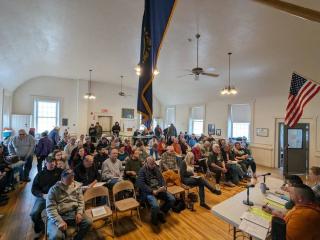
Throughout its history, Croydon has maintained a strong culture of independence, civic responsibility, and community involvement. The town’s traditional New England character is reflected in its long-standing institutions, including the Croydon Meeting House, Croydon Village School, and volunteer-driven municipal services such as the fire department and various committees.
Modern Croydon
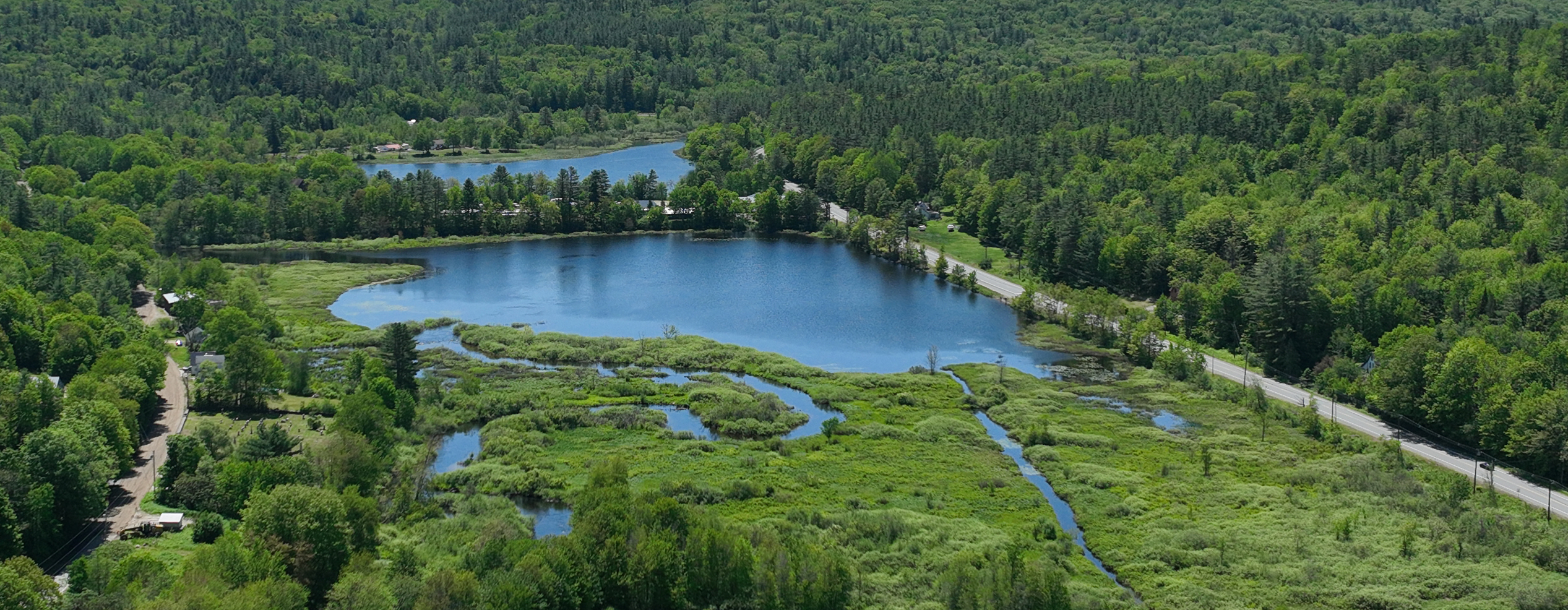
Today, Croydon remains a small, rural community known for its scenic landscapes, forested hills, peaceful ponds, and outdoor recreation. While farming has diminished, residents take pride in maintaining large tracts of open space, conserved lands, and historic properties. Croydon has embraced responsible growth while preserving its rural character, making it a town where history, natural beauty, and civic engagement continue to define local identity.
History of the Croydon School
Public education in Croydon dates back to the late 18th century, when small, district-based schoolhouses served the town’s scattered rural population. During the 1800s, Croydon operated several one-room schools, each responsible for educating children living in its geographic district. These early schools taught reading, writing, arithmetic, penmanship, and practical skills needed for rural life.
By the early 20th century, declining enrollment and changes in state education laws led Croydon to consolidate its one-room schoolhouses into a single facility located in the village center. This marked the beginning of what would become the Croydon Village School, which has served as the town’s elementary school for generations.
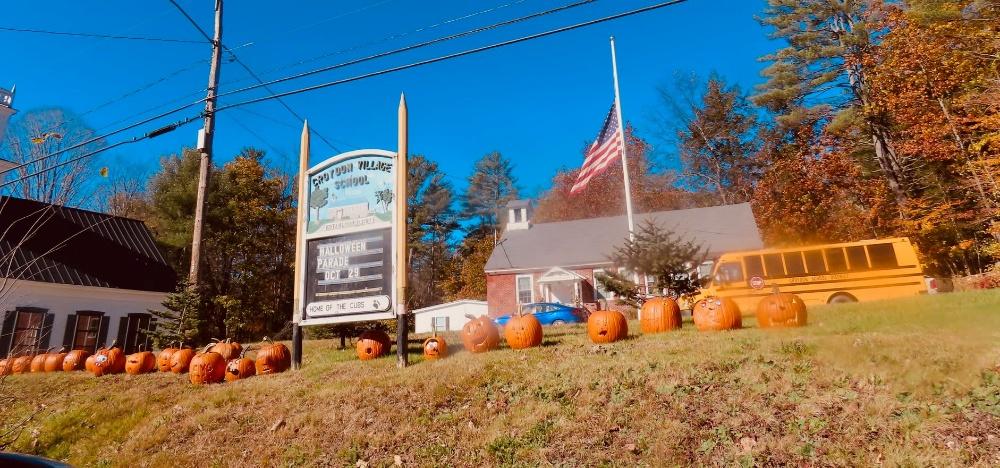
CVS has long been known for its small class sizes, community involvement, and individualized approach to education. Over the decades, the building has undergone renovations and expansions to meet safety codes, modern curriculum standards, and accessibility requirements, while still retaining its small-town character.
As Croydon students advance beyond the elementary grades, the town historically tuitioned middle and high school students to neighboring districts, maintaining the Village School as the cornerstone of early education in the community.
Today, the Croydon Village School remains a symbol of the town’s commitment to local, community-centered education—continuing a tradition of small-school learning that stretches back more than 200 years.
You can find more information about the Croydon Village School on their website.
About Us
The Town of Croydon, nestled in the scenic hills of Sullivan County, is a rural New England community known for its natural beauty, strong sense of independence, and deep-rooted civic tradition. Chartered in 1763, Croydon has maintained its small-town character for more than 250 years while embracing thoughtful, community-driven growth.
Croydon is home to peaceful forests, rolling farmland, Sugar River headwaters, and recreational gems such as Rocky Bound Pond and Croydon Mountain. Residents value open space, outdoor living, and the quiet charm that defines the town’s landscape.
Community life in Croydon is centered around collaboration and volunteerism. The town’s institutions—including the historic Croydon Meeting House, the Croydon Village School, and its dedicated volunteer Fire Department—reflect the pride residents take in preserving local traditions. Town Meeting remains at the heart of civic decision-making, continuing a form of self-governance that has guided Croydon since its earliest days.
While small in population, Croydon is rich in community spirit. Whether through local boards, civic groups, school events, or long-standing traditions, residents work together to support a safe, welcoming, and resilient town.
Croydon’s story is one of history, independence, and community—where heritage and rural character shape daily life, and where neighbors look out for one another. We invite visitors and new residents to experience the charm that makes Croydon a truly unique New Hampshire town.